When You Give Matters Almost as Much as What You Give
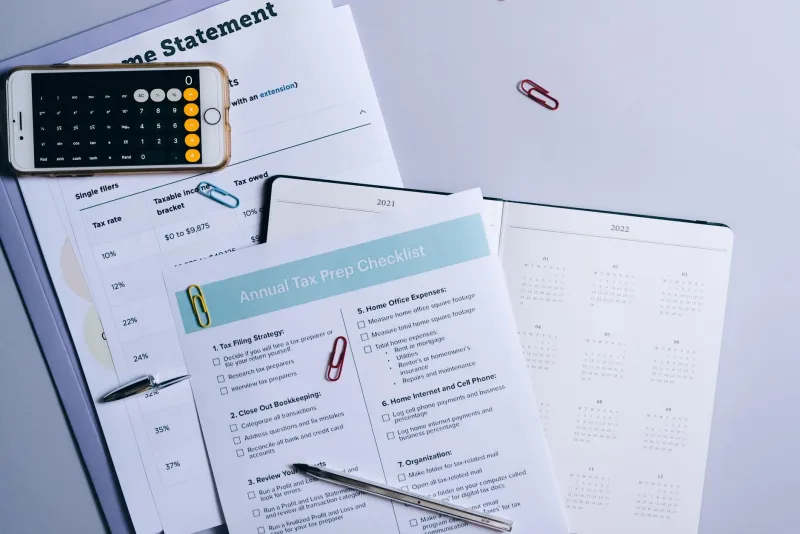
Most people treat charitable giving like a last-minute holiday errand — scrambling to send checks in December without much thought. But timing your donations strategically throughout the year can do double duty: it helps you squeeze more value out of your tax return and gets money to nonprofits exactly when they need it most.
Here's the thing: nonprofits have rhythms just like businesses do. And your tax situation has a calendar too. When those two things line up? That's where your generosity goes the furthest.
The December Rush — and Why It's a Problem
About 30% of all annual charitable giving in the US happens in December, with a huge chunk of that landing in the final three days of the year. That's not a coincidence — donors are racing to lock in deductions before the tax year closes.
But here's what that creates on the other end: a feast-or-famine situation for nonprofits. Organizations that depend on donations to fund programs can find themselves overwhelmed with funds in January (from late December gifts clearing) and then completely dry by March. Staff can't be hired and fired on a seasonal whim. Programs don't pause because the calendar flipped.
When you pile all your giving into one month, you're essentially forcing nonprofits to ration resources in a way that makes their work harder, not easier.
How Nonprofit Fiscal Calendars Actually Work
Not every nonprofit runs on a January-to-December fiscal year, which surprises a lot of donors. Many organizations — especially those that receive government grants — operate on fiscal years that end in June, September, or even March.
Why does this matter to you? Because if a nonprofit's fiscal year ends in June, a donation you make in May or early June could land right before they close their books — helping them hit funding targets, unlock matching grants, or report stronger financials to their board. That same donation made in August might sit in a new budget cycle where the urgency is different.
A quick way to figure this out: look up the organization on Candid (formerly GuideStar) or check their IRS Form 990, which lists their fiscal year. It takes about two minutes and can genuinely change how impactful your timing is.
Spring Giving: The Overlooked Sweet Spot
April through June is quietly one of the best times to donate — and almost nobody does it intentionally.
Here's why it works so well:
- Tax refund season. If you're getting money back from the IRS, that's a natural moment to redirect a portion toward causes you care about. You're already thinking about money; why not put some of it to work?
- Nonprofits are often cash-strapped. The post-December giving cliff hits hard in late winter and spring. Organizations that ran strong fundraising campaigns in November and December may be coasting on fumes by April.
- You have time to be thoughtful. Unlike December, when everyone's distracted by holidays, spring gives you space to actually research where your money is going.
If you want to stretch your impact, consider front-loading some of your annual giving to spring. The organizations you care about will feel it.
The Tax Strategy Side: Bunching Your Donations
Since the 2017 Tax Cuts and Jobs Act raised the standard deduction significantly, fewer Americans itemize their deductions. In 2024, the standard deduction is $14,600 for single filers and $29,200 for married couples filing jointly. That's a high bar — and it means a lot of charitable donations don't actually reduce anyone's tax bill.
Enter a strategy called donation bunching.
Instead of giving $2,000 a year every year, you give $4,000 every other year. In the years you give the larger amount, you itemize and get the deduction. In the off years, you take the standard deduction. Over time, you end up giving the same total — but you capture more tax benefit.
A donor-advised fund (DAF) makes this even cleaner. You deposit a lump sum into the DAF in a high-giving year (getting the full deduction immediately), and then distribute grants to your chosen nonprofits over the following months or years on whatever timeline makes sense. The money is committed to charity the moment it goes into the fund — but you control when it actually flows out.
This is one of the most underused tools in everyday giving, and it's not just for wealthy donors. Some DAFs have minimums as low as $50 to $500 to get started.
Building Your Personal Giving Calendar
You don't need a financial advisor to put a simple donation schedule together. Here's a framework that works for most people:
January–February: Review your previous year's giving. Did the organizations you supported use your donation well? Are there causes you want to add or drop? This is your planning phase, not your spending phase.
March–May: Make your spring contributions. Target organizations with mid-year fiscal deadlines or causes that tend to be underfunded in this window (think: food banks after the holiday donation surge fades, local arts organizations, community health clinics).
June–August: Mid-year check-in. If you're using a DAF, this is a good time to distribute funds. If not, consider whether any causes have urgent needs — disaster relief, for example, can spike at any time of year.
September–November: Start thinking about year-end. If you're planning to bunch donations, this is when you finalize that decision. Research any new organizations you're considering. Don't wait until December 28th to do your homework.
December: Execute your year-end giving with intention, not panic. If you've already given earlier in the year, December might just be a top-off — or you might skip it entirely if your bunching strategy calls for a lighter year.
The Bottom Line
Charitable giving doesn't have to be reactive. The donors who get the most out of their generosity — financially and in terms of real-world impact — are the ones who treat it like any other intentional financial decision.
At Donate For Free, we believe giving should work for everyone: for you, for the causes you care about, and for the communities that depend on nonprofit support year-round. Thinking about when you give is one of the simplest ways to make your dollars — or your time and resources — go further without spending a single cent more.
Spread it out. Be deliberate. And let your generosity land where it matters most, exactly when it's needed.