Your Giving, Organized: Build a Personal Donation System That Actually Sticks

Most of us have a junk drawer somewhere in the house. Batteries, takeout menus, a mystery key, three half-used pens. Now think about your charitable giving. For a lot of people, it looks a lot like that drawer — a PayPal receipt here, a text-to-donate there, maybe an annual check to the local food bank you've been sending since 2009. Generous? Absolutely. Organized? Not exactly.
Here's the thing: how you manage your giving matters almost as much as the giving itself. When your donations feel scattered, it's easy to lose track of causes you genuinely care about, double up on organizations doing similar work, or worse — quietly drift away from giving altogether because the whole thing starts to feel overwhelming.
Building what we like to call a "charity closet" — a personal system for organizing your giving — doesn't require a spreadsheet degree or a financial advisor. It just takes a little intentionality. And once you have one? It's a game-changer.
Why Donation Chaos Costs More Than You Think
Let's start with the real cost of disorganized giving. It's not just about money, though that's part of it. When you donate without a system, a few things tend to happen:
- You respond to every emotional appeal that lands in your inbox, even if the cause isn't really aligned with your values.
- You forget which organizations you've already supported, so you either give twice to the same one or miss following up with causes that mattered to you.
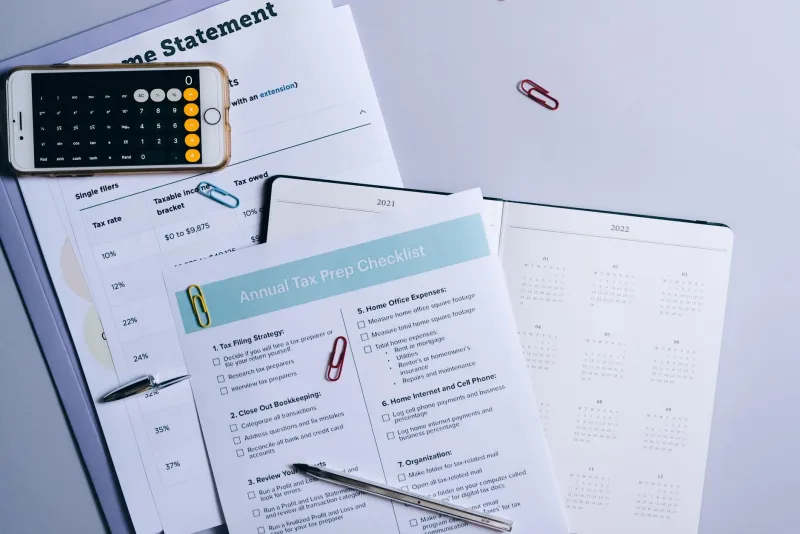
- Tax season becomes a scavenger hunt for donation receipts.
- You can't actually tell whether your giving is making a difference, because you've got no baseline to compare.
None of that is your fault. Nonprofits are very good at reaching donors at emotionally resonant moments — a disaster hits, a story goes viral, a friend shares a campaign. Impulse giving isn't bad. But without any structure around it, it can leave you feeling like your generosity is going nowhere fast.
Step One: Take Inventory of Where Your Money Is Already Going
Before you build any new system, figure out what you're working with. Spend 20 minutes pulling together every donation you've made in the last 12 months. Check your email for receipts, look at your bank or credit card statements, and scroll through any giving apps you use.
Write it all down — the organization, the amount, and roughly when you gave. Don't judge it yet. Just see it.
You might be surprised. A lot of people discover they've been giving to more places than they realized, sometimes to organizations they barely remember. Others find the opposite: they thought they were giving regularly but the actual number is smaller than they assumed.
This inventory is your starting point. It tells you what your giving looks like right now, before you make it intentional.
Step Two: Decide What Actually Matters to You
Once you can see your giving history laid out, ask yourself a simple question: does this reflect my values?
Maybe you care deeply about food insecurity, but most of your recent donations went to causes you clicked through from social media. Maybe you've been meaning to support a local animal shelter for years but never got around to it. Maybe you have three recurring donations set up but can't remember why you started two of them.
This is the moment to get intentional. Pick two to four cause areas that genuinely matter to you. Not because someone guilt-tripped you into it, but because these are the issues you'd talk about at dinner, the ones that keep you up at night, the problems you'd want your giving to help solve.
This doesn't mean you can never give outside those areas — emergencies happen, friends ask for support, and that's fine. But having a core focus keeps your giving anchored.
Step Three: Choose Your System (Digital or Physical — Both Work)
Here's where you build the actual "closet." The good news: there's no one right way to do this.
Digital options are great if you're already living in apps and spreadsheets. A simple Google Sheet with columns for organization name, cause area, amount, date, and a notes field for why you chose them works beautifully. Some donors use tools like Notion or Airtable for a more visual layout. Platforms like Donate For Free also make it easier to track your giving in one place, so you're not hunting across five different websites.
Physical options work surprisingly well for people who think better on paper. A small binder or even a dedicated notebook can hold printouts of donation receipts, a handwritten list of your chosen nonprofits, and notes about what drew you to each one. Old-school, yes. Effective, also yes.
Whatever format you choose, your system should include:
- The organization's name and website
- The cause area it falls under
- Your giving history (amounts and dates)
- A brief note on why you chose them — this one matters more than people expect
- Any recurring donation details, so you're not caught off guard
That last bullet — the "why" — is easy to skip, but don't. Six months from now, when you're reviewing your giving and wondering whether to continue a particular donation, that note will remind you what moved you to give in the first place. It keeps your giving human.
Step Four: Schedule a Quarterly Giving Review
A system you never look at is just clutter with good intentions. Block 30 minutes on your calendar once a quarter — January, April, July, October work well — to review your giving.
During that review, ask yourself:
- Are my recurring donations still aligned with causes I care about?
- Have I heard anything from the organizations I support? (No news isn't always good news.)
- Is there a new cause or organization I want to add?
- Am I giving in a way that feels sustainable, or do I need to adjust?
This quarterly check-in is also a great time to look up any impact reports or updates from the nonprofits you support. Many organizations publish annual reports or send donor newsletters — reading them takes ten minutes and can dramatically strengthen your connection to the work your dollars are funding.
Step Five: Make Room for Spontaneous Giving Without Blowing Up Your System
Life happens. A friend runs a 5K for cancer research. A hurricane wipes out a town. A GoFundMe shows up in your feed and you feel compelled to help. Spontaneous giving is part of being a generous person, and a good system should have room for it.
The trick is to treat it like a miscellaneous category rather than a core commitment. Set a small monthly or annual "flex" amount — whatever feels comfortable — that you can use for one-off gifts without derailing your planned giving. When you use it, log it in your system just like anything else.
That way, you stay responsive without losing track of the bigger picture.
The Payoff: Giving That Feels Like You
When your charitable giving is organized, something shifts. It stops feeling like a series of transactions and starts feeling like a reflection of who you are and what you care about. You give more confidently because you know why you're giving. You give more effectively because you're not spreading thin across dozens of causes. And you give more freely because the system handles the logistics, leaving you free to just care.
That's the whole point. Donate For Free is built on the idea that giving shouldn't be complicated or costly — and that includes the mental overhead. Build your charity closet. Keep it tidy. Let it grow with you.
Your causes will thank you for it.